
 bcbfd528-38df-4371-812d-e9735ba4361c.png
Course Capsule: Concepts of throughput and resolution, Blotting and in situ hybridization, High resolution live cell imaging, DNA sequencing; Sanger sequencing, Pyro-sequencing and Next generation sequencing , DNA synthesis, genome editing, Directed mutagenesis & protein engineering, Tools for DNA methylation analysis, DNA libraries, Expression profiling, Proteomics, Protein sequencing, Tools for protein-protein interactions and PTM analysis
Course Aim: Course aims to provide students with an advanced understanding of the strategies and techniques used in molecular biology relevant to the biotechnology industry and to advanced molecular biology research.
Course ILOs: At the end of the course the student should be able to
1. describe applications of techniques used in molecular biology while appreciating the innovative nature of those
2. develop probes for blotting techniques
3. compare and contrast different strategies used in DNA sequencing and DNA synthesis
4. illustrate relationship between directed mutagenesis and protein engineering
5. Design primers for analysis of DNA methylation
6. evaluate importance and limits of gene libraries and expression profiling
7. justify the need for protein-protein interaction studies
8. construct DNA libraries
Course Capsule: Place for archaea, bacteria and fungi in three-domain and five-kingdom classification and in phylogeny, Taxonomy vs classification vs identification, Nomenclature: International Code of Nomenclature of Bacteria (ICNB) and Bergey’s manual, International Code of Nomenclature for algae, fungi, and plants (ICNafp); Phylogenetic relationships of prokaryotes, Phylogenetic relationships of fungi and fungi-like organisms, Characteristics used for identification of bacteria: Structural, biochemical, physiological and serological properties, genetic relatedness (base composition, DNA melting curve, nucleic acid hybridization, DNA sequencing, signature sequences); Major groups of prokaryotes, Fungal nomenclature and classification, Fungi and Fungi-like organisms, Fungal genomics and taxonomy, Methods in fungal taxonomy
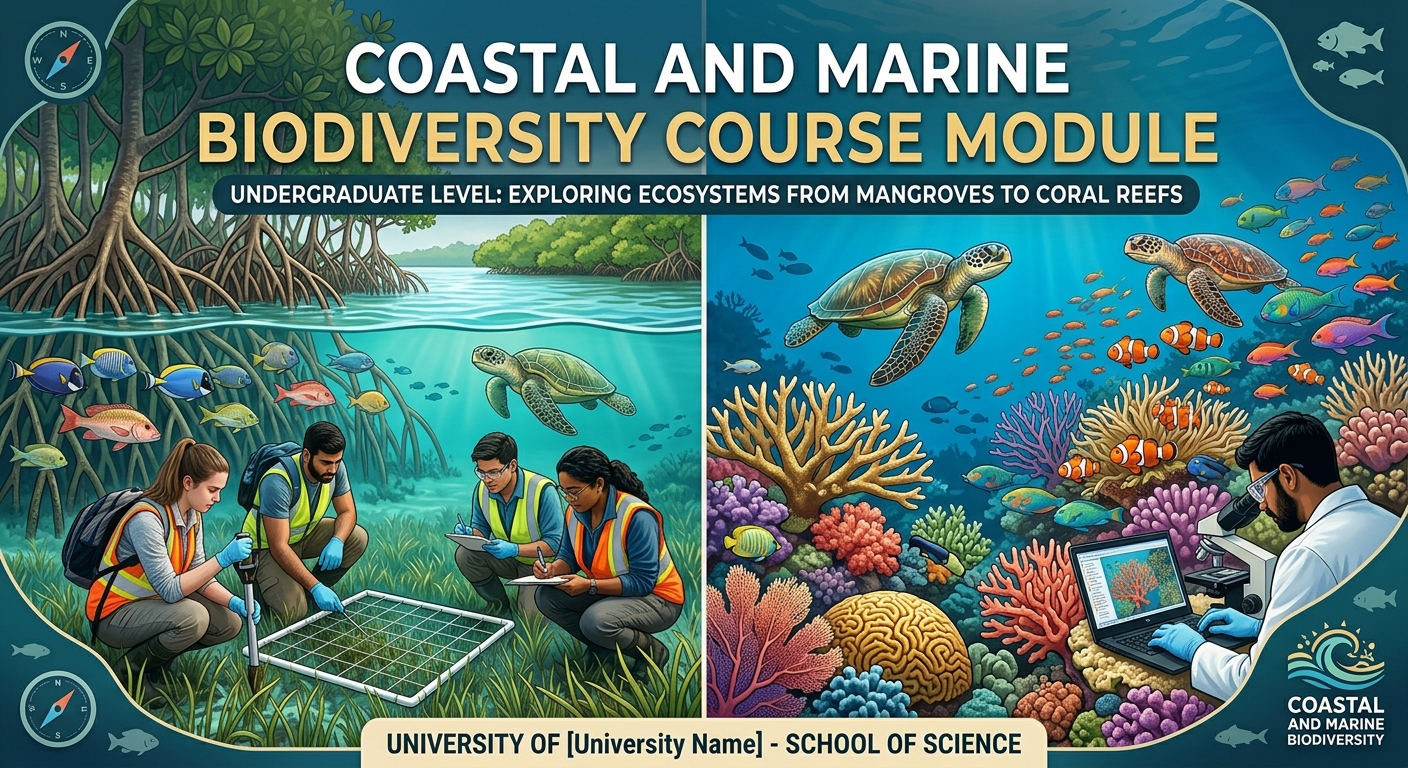
Course Capsule: Introduction to coastal and marine ecosystems and organisms of Sri Lanka. Coastal communities: Evaluate the marine and coastal production Systems including Open sea, Coral reefs, Mangroves, Sea grass beds, Estuaries and lagoons, Marshes, Sand dunes and, Associated terrestrial forests and their ecological and economic importance. problems and threats associated with coastal and marine ecosystem: Impacts of anthropogenic activities including Coastal tourism, Sewage outfalls, Oil spills, Aquaculture, Global warming, Maritime transport and ballast water disposal, Coral mining and overfishing on coastal production Systems. Natural events including, Tsunamis and tidal waves on coastal production systems, Protected marine organisms of the Sri Lankan Sea: corals, sea grass beds, turtles, dolphins, whales and dugongs. Integrated approaches on marine and coastal management: use Of GIS and remote sensing and mapping on the evaluation and assessment of coastal resources, participation and role Of the government, NGOs and the coastal communities in the sustainable utilization, management and governance of coastal resources. An overview of laws relevant to biodiversity and environmental protection Of coastal ecosystems — Marine parks, sanctuaries and reserves of Sri Lanka
Course Aim: The aim Of this course is to provide knowledge on concepts to a variety Of marine Systems and its biodiversity, Effectively communicate the value and importance of different ecosystems including their ecosystem services, the threats to their sustainability, and the actions needed to protect them, give knowledge and skills on integrated coastal and marine resources management to address the management issues in the coastal zone for sustainable development.
Course ILOS: After completion Of this course students should be able to,
I. identify the different types Of coastal and marine ecosystems and its biodiversity
2. evaluate the ecological and economic importance of marine and coastal production systems and identify the importance Of establishing marine protected areas
3. describe the major threats to marine and coastal production systems and the methods used to manage the threats
4. explain the role of local and international agreements, NGOs and local coastal communities on the management and sustainable utilization of marine and coastal resources
5. examine the integrated coastal zone management practices in selected coastal regions through field surveys